When a machine shop starts comparing cylinder boring and honing equipment, it is easy to focus on brand names, machine size, automation, and price. But the best machine is not necessarily the newest or most expensive one on the market. It is the one that matches the work your shop actually needs to produce.
A shop rebuilding automotive engines has different requirements from one regularly machining heavy-duty diesel or industrial blocks. A low-volume operation may prioritize versatility and value, while a production-focused shop may benefit from automation that reduces setup time and increases throughput.
Accuracy matters. Capacity matters. Tooling, operator involvement, available floor space, machine condition, and long-term support matter too.
Before investing in cylinder boring or honing equipment, take a close look at your current workload, the limitations of your existing machinery, and where you want the business to grow. Those answers will tell you far more about the right machine than the price tag alone.
Start With the Blocks Your Shop Actually Machines
The first question is not which boring machine you want. It is what you expect that machine to bore.
Look at the blocks coming through your shop today. Consider bore diameter, cylinder length, overall block dimensions, engine type, material, and how frequently you encounter different applications.
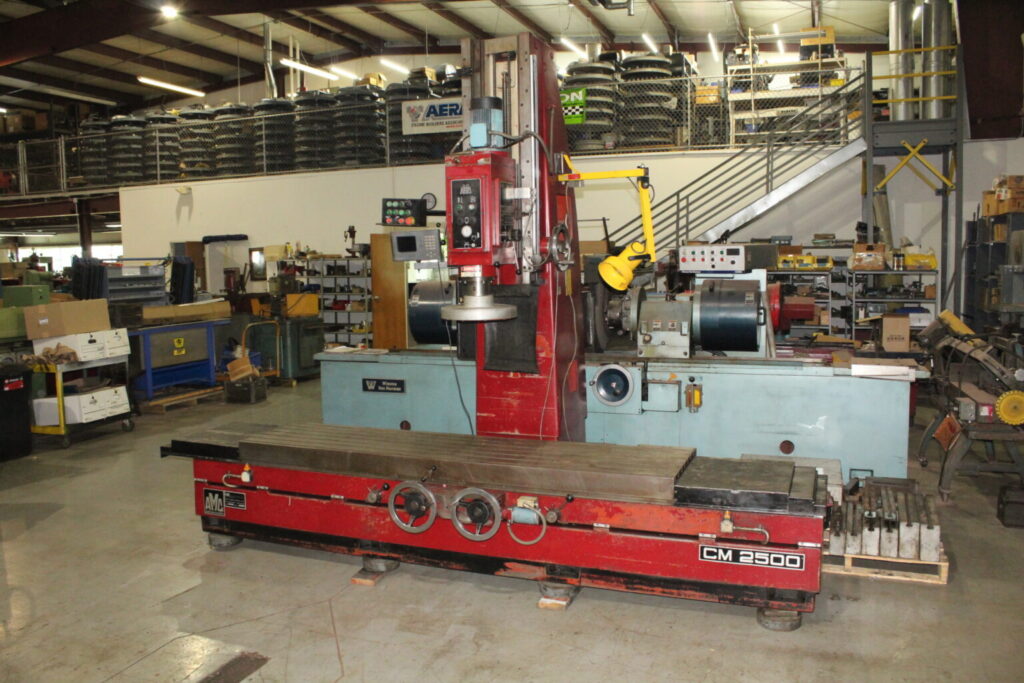
An automotive engine rebuilding shop may be perfectly served by a machine designed around common passenger and performance applications. A shop handling agricultural, industrial, or heavy-duty diesel work may need substantially greater capacity.
Then look at the work you are not doing.
If oversized blocks or certain engine families are routinely outsourced because your current equipment cannot accommodate them, additional machine capacity could create a new revenue stream. That makes the purchase more than a replacement—it becomes an opportunity to expand what the shop can sell.
The opposite is true as well. Buying substantially more capacity than your customers require can tie up money in capability that rarely generates revenue.
Build your equipment requirements around the jobs that pay the bills today and the jobs you realistically expect to pursue tomorrow. Once those parameters are clear, the list of machines worth considering becomes much shorter.
Boring and Honing Solve Two Different Problems
Boring and honing work together during cylinder reconditioning, but they should not be treated as interchangeable operations.
A boring machine handles the heavier material removal. It establishes the cylinder’s basic geometry and brings an undersized or damaged bore close to its target dimension.
Honing is the precision finishing operation.
The honing process removes much smaller amounts of material while establishing final bore geometry, size, and surface finish. That finished surface has a direct relationship with ring seating, oil retention, friction, and the performance of the completed engine.
When evaluating equipment, think about where the actual limitation exists in your current process.
A shop with adequate boring capacity but an outdated honing machine may gain more from improving final sizing, surface-finish control, and honing throughput than from purchasing another boring machine. Another shop may have a capable hone but constantly wait for blocks to move through an older boring operation.
This is why equipment should be evaluated as part of the complete machining workflow.
The goal is not to own the most machinery. It is to create a process where boring, honing, measuring, cleaning, and the operations that follow can move efficiently without one machine creating a persistent bottleneck.
Accuracy and Repeatability Come Before Speed
A fast machine that cannot consistently hold the required dimensions is not productive.
Cylinder work demands control over bore size, geometry, alignment, and surface finish. When comparing machines, look beyond maximum capacity and cycle time to how the equipment achieves and repeats those results.
Rigidity matters. Machine condition matters. The spindle, tooling, fixturing, controls, and measurement process all contribute to the quality of the finished bore.
This becomes particularly important when evaluating used machinery. A heavy, well-built machine may have decades of useful service remaining, but age alone does not tell you whether it can still produce accurate work. Wear in critical components, poor maintenance, damaged tooling, or previous repairs can change the equation considerably.
Automation can improve repeatability as well. Programmable machines can reduce operator-dependent variation and reproduce machining processes across multiple cylinders and blocks.
But automation does not replace sound machining practices.
The objective is consistent results. Whether those results come from a proven manual machine in the hands of an experienced machinist or a modern automated system depends on the shop, its employees, and its production requirements.
Start with the tolerance and finish your work demands. Then choose equipment capable of delivering those results repeatedly.
How Much Automation Does Your Shop Really Need?
Automation can dramatically change the economics of cylinder machining, but only when the workload justifies it.
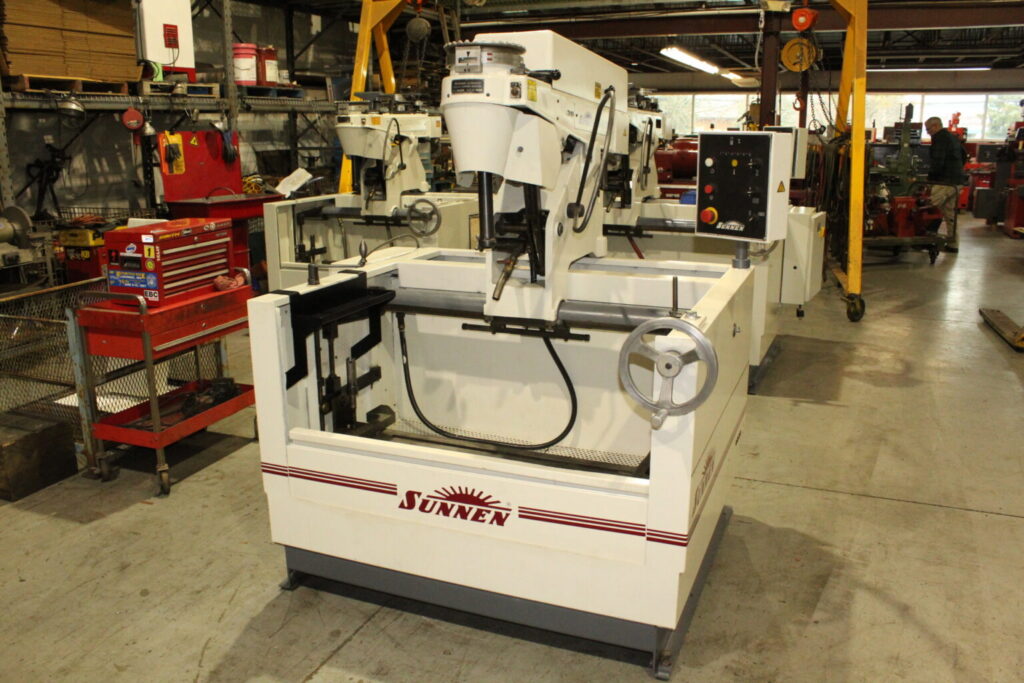
In a production-oriented shop, programmable controls and automated machining cycles can reduce setup time, improve consistency, and decrease the amount of operator attention required during portions of the process. That allows a skilled machinist to spend more time measuring, setting up another job, or operating other equipment instead of remaining tied to a single machine.
For a lower-volume operation, the calculation may be different.
If a machine only runs occasionally, paying significantly more for automation may not create enough additional throughput to recover the investment. A dependable manual or semi-automatic machine can sometimes provide a better return when the workload does not demand high production.
Operator experience matters too.
A shop with experienced machinists may be comfortable getting excellent results from conventional equipment. A growing operation trying to standardize processes across multiple employees may place greater value on programmable controls and repeatable automated cycles.
Do not buy automation simply because it is available.
Calculate what it actually changes. If it allows your shop to complete more profitable work, reduce labor per block, improve consistency, or eliminate an existing production bottleneck, the investment becomes much easier to justify.
Calculate the Real Return on Your Equipment Investment
The number on the equipment quote is only one part of the purchase.
Freight, rigging, electrical requirements, installation, tooling, abrasives, operator training, maintenance, and floor space can all affect the true cost of putting a boring or honing machine into production.
Then calculate what the machine can produce.
Start with work you currently outsource. If cylinder machining regularly leaves your facility because existing equipment cannot handle the job, bringing that work in-house can create an immediate source of return.
Next, consider throughput.
If a newer machine reduces setup and cycle time enough to complete additional blocks each week, those additional billable jobs should be part of the calculation. The same applies if greater capacity allows the shop to begin accepting diesel, industrial, performance, or other work it previously turned away.
Accuracy has financial value too. Better repeatability can reduce rework, wasted labor, and the risk of an incorrectly machined component creating a larger problem later in the build.
The cheapest machine is not necessarily the machine with the lowest cost of ownership.
Treat boring and honing equipment as a productive asset. The best purchase is the machine that can generate enough accurate, profitable work over its service life to justify the total investment required to put it on your floor.
Match the Machine to Your Shop Before You Buy
There is no single cylinder boring or honing machine that makes sense for every engine builder.
The right choice depends on the blocks you machine, tolerances you need to hold, production volume, available operators, existing equipment, floor space, budget, and where you want the business to grow.
That is why the buying process should begin with the shop rather than the machine.
USA Equipment Sales 4 Less works with professional engine rebuilders and machine shops to source both new and used engine machining equipment. Available cylinder boring and honing equipment can include machines from established manufacturers such as Rottler, AMC-Schou, Sunnen, and others as inventory changes.
Instead of comparing specifications in isolation, identify the problem the next machine needs to solve.
Maybe your existing boring equipment cannot handle the blocks customers are bringing you. Maybe honing has become a production bottleneck. Maybe an aging machine still produces accurate work but requires too much operator time. Or maybe the shop is ready to increase production and needs automation capable of supporting the next stage of growth.
Tell USA Equipment Sales 4 Less what you machine, how much work you run, what equipment you currently use, and where the limitations are. From there, the team can help narrow the options to equipment that actually makes sense for your operation.
The best machine is not simply the one with the longest specification sheet. It is the one that earns its place on your shop floor.